Home › Guides › Repair or Replace?
One of the most common questions we hear. The right answer depends on age, condition, cost, and how long you plan to stay. Here's how we think about the most common repair-or-replace decisions.
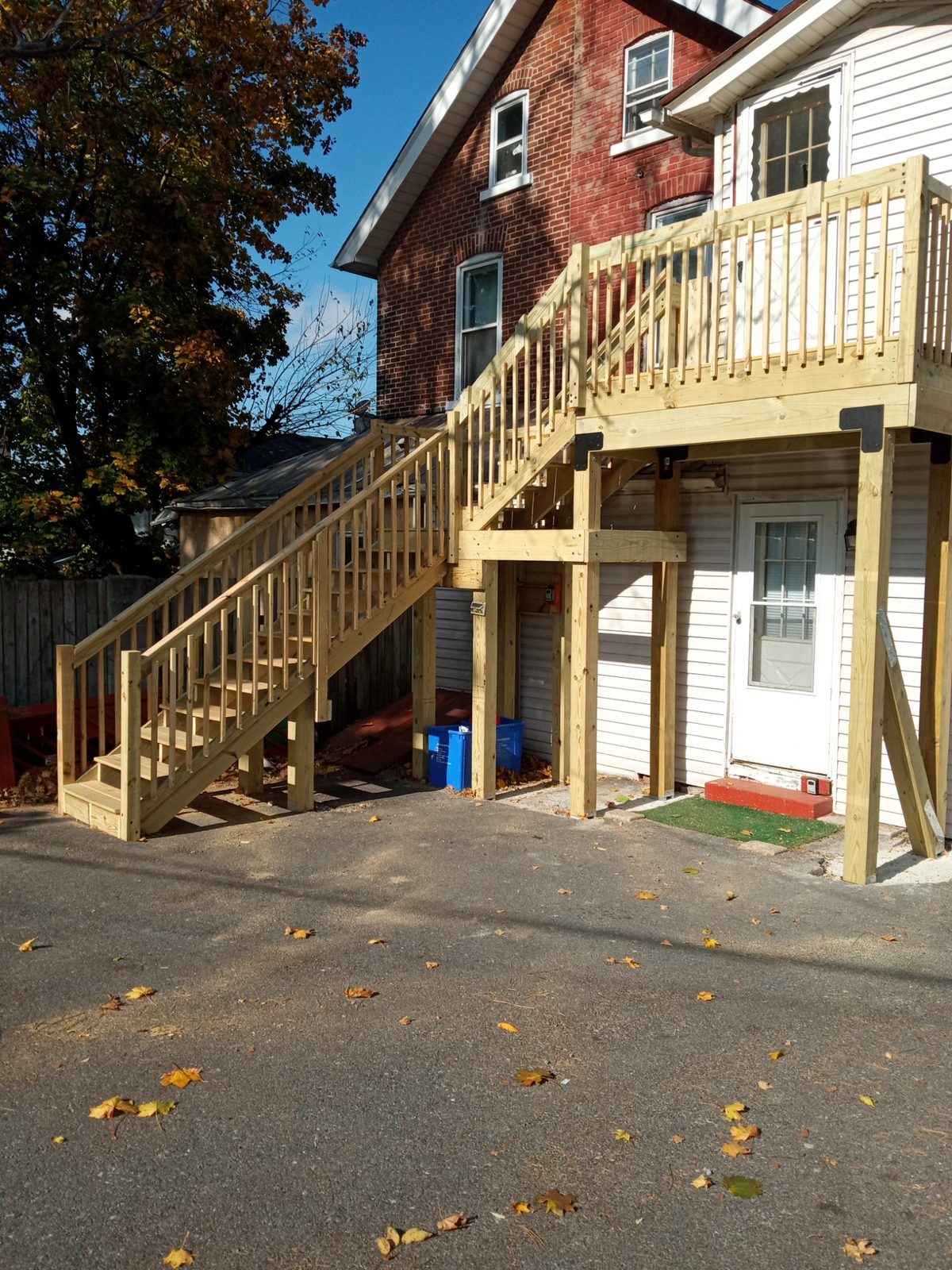
It usually comes down to structure. If the framing, posts, and footings are sound and it's mainly the surface boards and railings that are worn, a repair or re-decking can be very cost-effective. But if there's rot in the structural members, widespread instability, or the deck no longer meets code, replacement is often the safer and better-value choice. A deck that's more than 15 to 20 years old and showing structural issues is usually a replacement candidate.
As a rule of thumb: surface wear favors repair; structural or safety problems favor replacement.
Depending on the substructure, you can sometimes replace just the decking, but keep in mind composite is typically much heavier than traditional pressure-treated wood. A customer in Allentown wanted to swap their old deck's surface for composite, but the added weight combined with a semi-rotted substructure made that unsafe, so we recommended rebuilding to give them a sound platform. Composite also often needs tighter joist spacing because it deflects more than pressure-treated, especially in summer heat. So an older deck isn't always a retrofit candidate; sometimes replacement is the safe call.
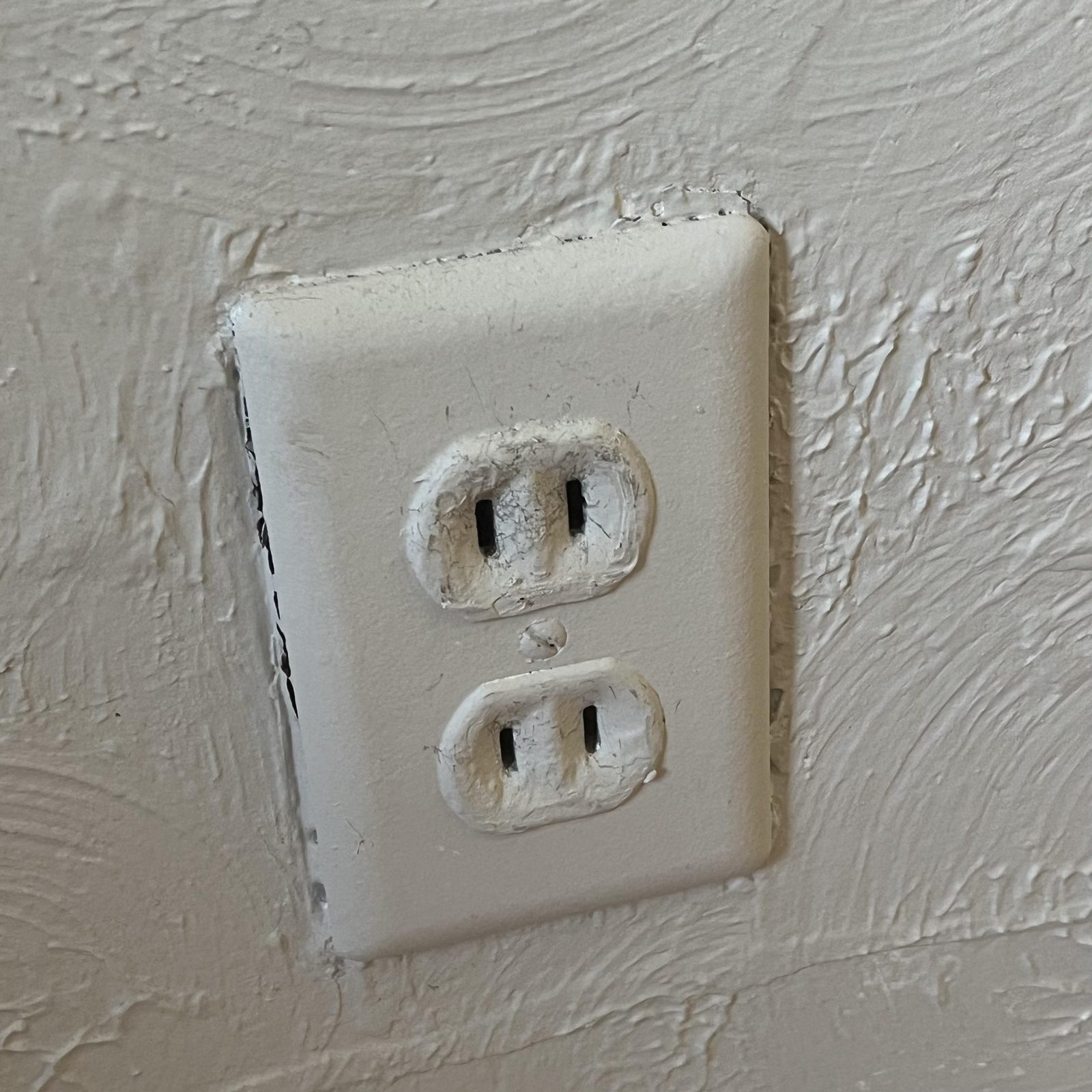
Swapping a worn or damaged outlet is a simple repair. But if you're tripping breakers, relying on extension cords, or the outlets in question are on an overloaded or outdated circuit, the real fix is upgrading the circuit, not just the outlet. Older homes with two-prong outlets or no grounding often benefit from a broader electrical update rather than one-off swaps. If safety or capacity is the issue, upgrade the circuit.
We worked on an older Bethlehem building full of ungrounded (two-prong) outlets where the owner had tried to DIY the fix by installing three-prong outlets. That's both a code violation and a safety hazard, a three-prong outlet with nothing actually grounded behind it just looks safe. In cases like this, installing GFCI protection in place of the two-prong outlets offers a degree of real safety. But a house full of two-wire outlets is usually a sign the electrical system needs upgrading. Before you pay a contractor to swap a lot of outlets, it may be smarter to put that money toward a new electrical panel and properly grounded circuits.
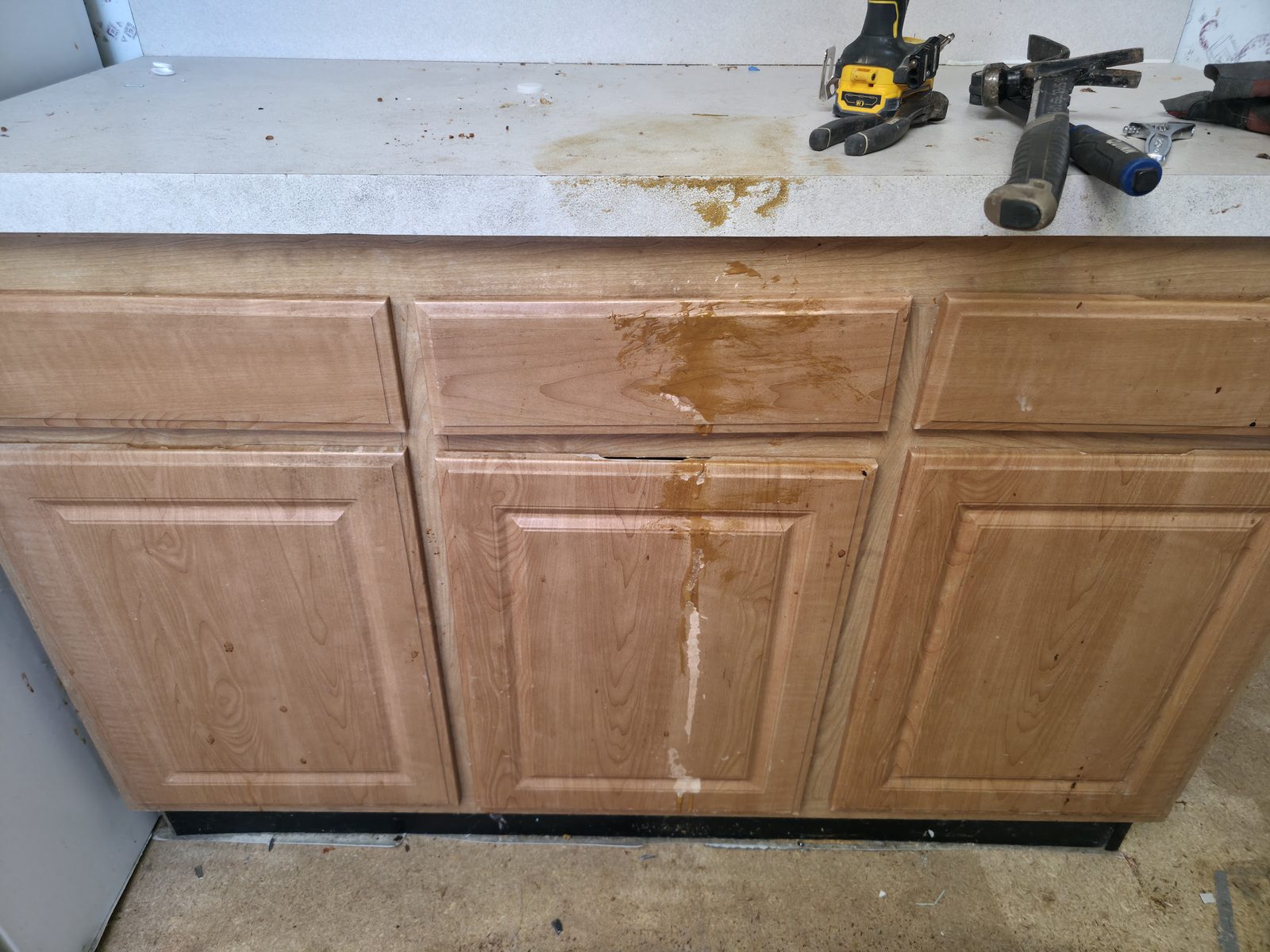
If the cabinet boxes are solid and the layout works for you, painting (or refacing) can transform a kitchen at a fraction of replacement cost. If the boxes are damaged, the layout is poor, or you want a different configuration entirely, replacement makes more sense. Paint solves a looks problem; replacement solves a function problem. Be honest about which one you actually have.
One of our favorites: a customer in Allentown with beautiful hardwood cabinets was surprised that painting them cost almost as much as a builder-grade cabinet system. Painting cabinets properly is genuinely tedious, stripping, prepping, sometimes filling, then spraying multiple coats of high-quality durable paint. It's labor-intensive, so don't be surprised if a proper cabinet repaint comes in close to the price of new builder-grade cabinets. Both are valid choices; just know what you're paying for.
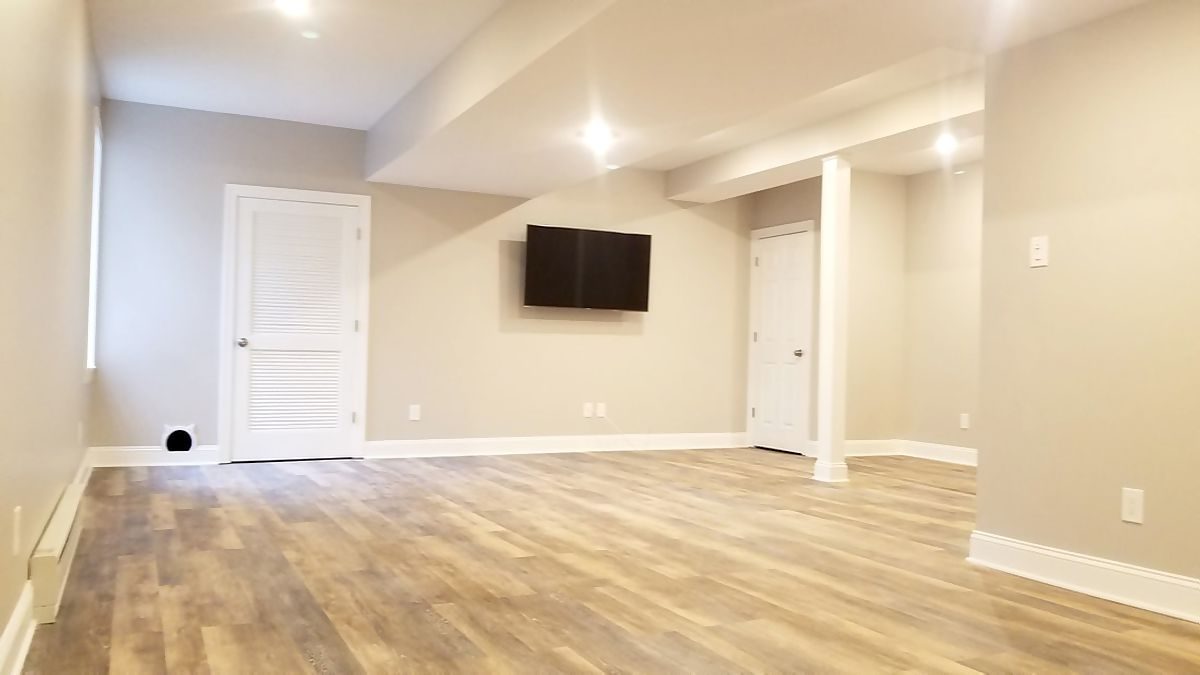
Drywall gives a finished, seamless, higher-end look and maximizes ceiling height, but it makes future access to pipes, wiring, and ductwork harder. A drop (suspended) ceiling costs less, installs faster, and keeps everything above it accessible, which matters in a basement full of mechanicals, but it reads as more utilitarian and lowers the ceiling slightly. If you value looks and headroom, go drywall; if you value access and budget, go drop ceiling. We help clients weigh this on every basement project.
In an older Easton-area home in Palmer Township, the owner initially wanted a drop ceiling because that's what had been there. Drop ceilings do reduce the height and feel of a basement, and they make sense when you have lots of non-contiguous ceiling, soffits, and obstructions. But in this case we were able to frame around the pipes and install drywall instead, and the customer really enjoyed the added ceiling height in an otherwise older basement.
Call us today
Free project estimates, references, and a clear plan before we begin. (Service calls and repairs may include a dispatch fee.)
